
Exhibition
focusThe School of Narrative Dance, L’Aquila
7 June 2026 - 15 November 2026

two performances at 11.30 am and 5.30 pm
booking is mandatory
free admission until capacity
duration: approx. 70′
Istituto di Istruzione Superiore “Amedeo D’Aosta”
entrance from the car park on Via Giuseppe Mezzanotte – L’Aquila
Shuttle service available:
MORNING
first shuttle
10:45 am: departure from the Fontana Luminosa and arrival at the car park in Via Giuseppe Mezzanotte
12:50 pm: return from the car park in Via Giuseppe Mezzanotte and arrival at the Fontana Luminosa
second shuttle
11:00 am: departs from the Fontana Luminosa and arrives at the car park in Via Giuseppe Mezzanotte
1:15 pm: returns from the car park in Via Giuseppe Mezzanotte and arrives at the Fontana Luminosa
AFTERNOON
first shuttle
4:45 pm: departs from the Fontana Luminosa and arrives at the car park in Via Giuseppe Mezzanotte
7:00 pm: return from the car park in Via Giuseppe Mezzanotte and arrival at Fontana Luminosa
second shuttle
5:00 pm: departure from Fontana Luminosa and arrival at the car park in Via Giuseppe Mezzanotte
7:15 pm: return from the car park in Via Giuseppe Mezzanotte and arrival at Fontana Luminosa
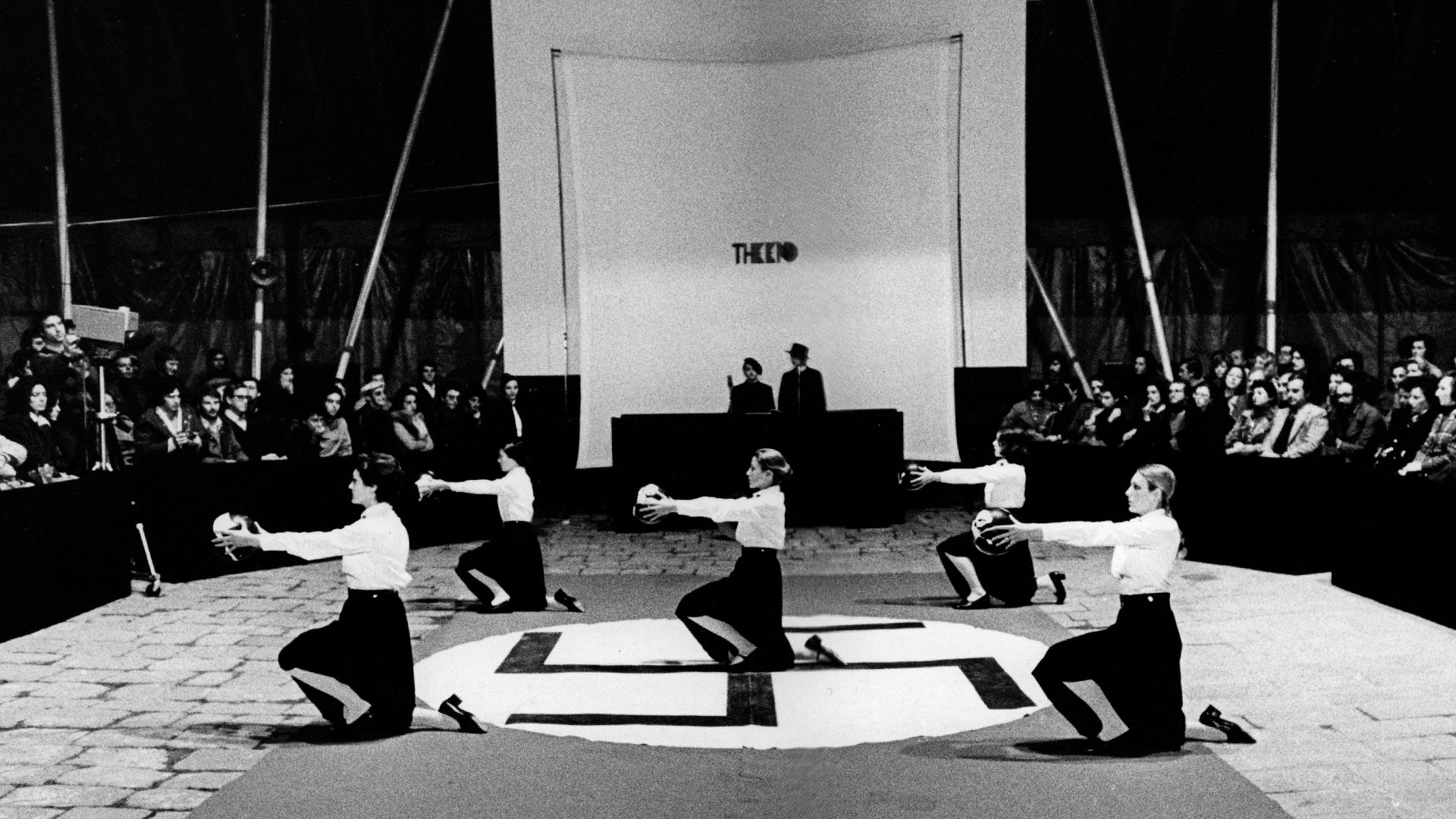
“Here, in a short space of time, one experiences the false ideology, the abyss of institutionalised superficiality, the tautology of absolute power, the intimate malice of the lie hidden within order, the shame of cultural confusion, the irresponsibility of those who usurp the freedom of collective judgement, and the deception of youth, which brings grace and trust to serve as a prelude to every massacre of its own making.”
Fabio Mauri wrote this in the programme distributed in Rome on the evening of 2 April 1971, when this performance was staged for the first time. Admission was by invitation only. Cards of different colours indicated the stand where to sit, simultaneously assigning each participant a social status: authorities, public figures, academics, magistrates, family members, rural folk, the Italian press, the foreign press, construction workers, and Jews.
Dressed in Fascist uniforms and singing ‘Giovinezza’, the second and third-year students of the Silvio D’Amico Academy of Dramatic Arts in Rome guided the large audience to take their seats in the stands surrounding a red platform bearing a black swastika in the centre, the ‘Piazza d’Armi’, where the gymnastic displays and debates on Fascist mysticism were to take place in honour of General Ernst von Hussel, represented – not without irony – by a wax mannequin dressed in full dress uniform, seated at the centre of the officials’ stand.
The performance was modelled on the ‘ludi juveniles’ held in Florence during Hitler’s visit in 1938, in which Mauri took part, alongside his friend Pier Paolo Pasolini, as part of the Bologna team. Thus came into being the first of what Mauri termed ‘complex actions’, bringing the theme of ideology to the stage for the first time – a theme that would strongly characterise all his subsequent work.
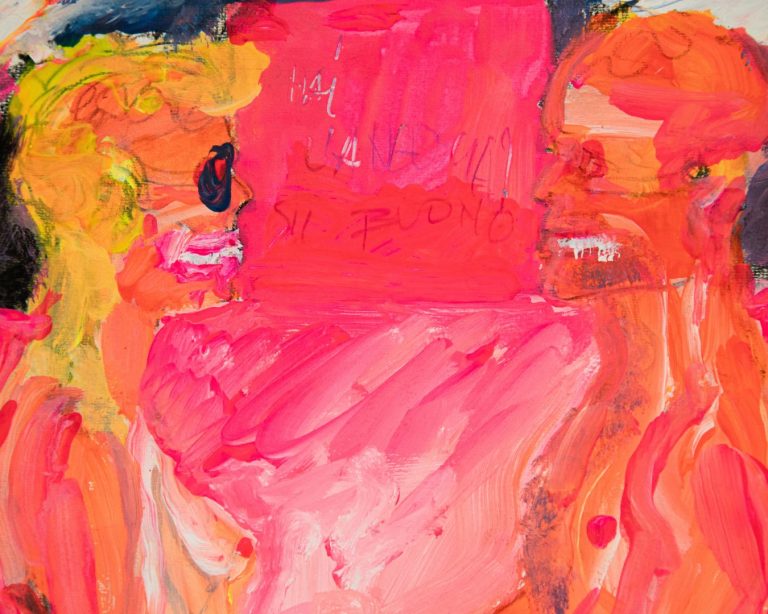
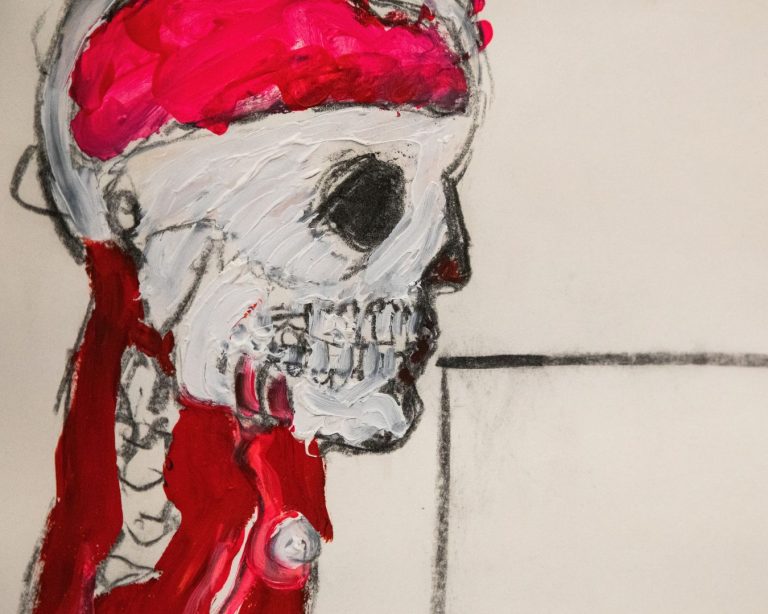
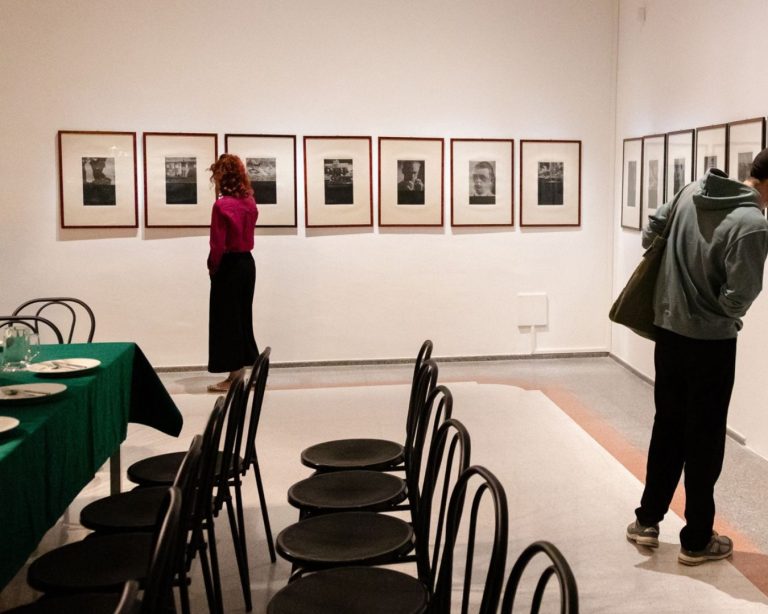
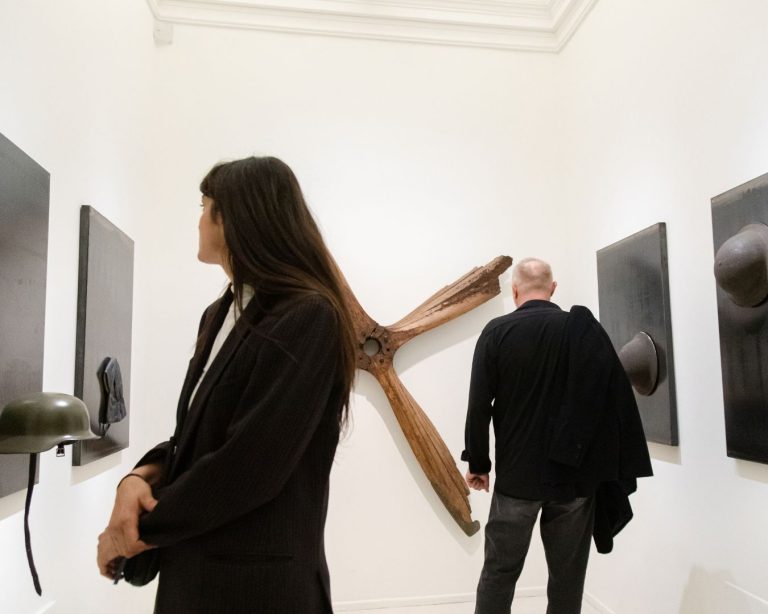
The exhibition “Fabio Mauri. Gli anni dell’Aquila” is a project promoted by L’Aquila City Council as part of L’Aquila 2026 – Italian Capital of Culture and funded by RESTART funds under CIPESS Resolution No. 10/2025. The performance is presented in collaboration with Studio Fabio Mauri, the Academy of Fine Arts in L’Aquila, and Arti e Spettacolo Impresa Sociale ETS.
technical sponsor

soci


© 2020 - 2026 Fondazione MAXXI