• IT
  • EN
  • Organize your tour
    • opening hours and tickets
    • how to get here
    • instructions for visitors
    • contacts
    • newsletter
  • What’s on
    • exhibitions
    • events
    • training
    • education
    • studio
  • Support us
    • myMAXXI Card
    • corporate membership
  • About us
    • the cultural project
Go to main content
  • MAXXI (nuova finestra)
  • EN
    • IT
MAXXI L'Aquila
buy ticket
  • Organize your tour
    • opening hours and tickets
    • how to get here
    • instructions for visitors
    • contacts
    • newsletter
  • What’s on
    • exhibitions
    • events
    • training
    • education
    • studio
  • Support us
    • myMAXXI Card
    • corporate membership
  • About us
    • the cultural project

MAXXI L'Aquila

Cultural and Exhibition Project

As a hub for communication, dialogue, and cross-disciplinary collaboration, MAXXI L’Aquila acts as a dynamic network linking contemporary creators and diverse actors across the artistic and scientific ecosystems (galleries, foundations, associations, museums, and research institutes), giving voice to exceptional national and international creativity.

We will start with the special commissions of Italian artists Elisabetta Benassi, Daniela De Lorenzo, Alberto Garutti, Nunzio, Ettore Spalletti and the young Russian artist Anastasia Potemkina, and with the original projects of two masters of photography: the one on L’Aquila by Paolo Pellegrin and the one by Stefano Cerio with the inhabitants of Onna.


Palazzo Ardinghelli

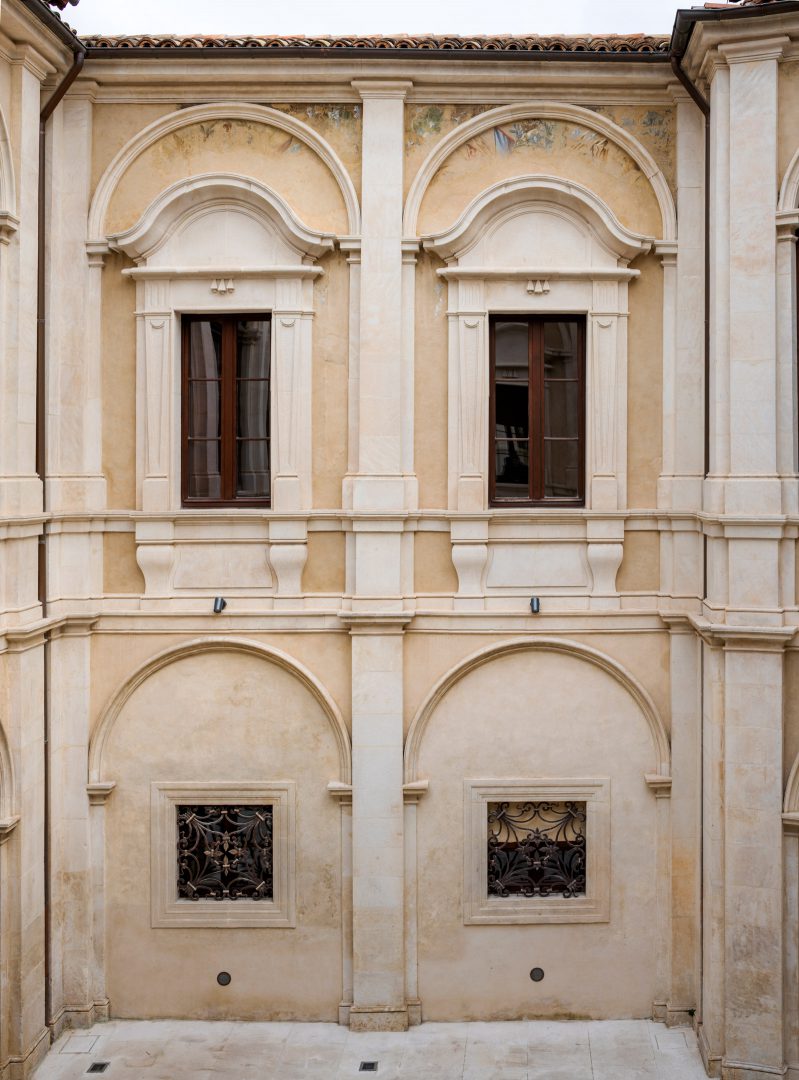
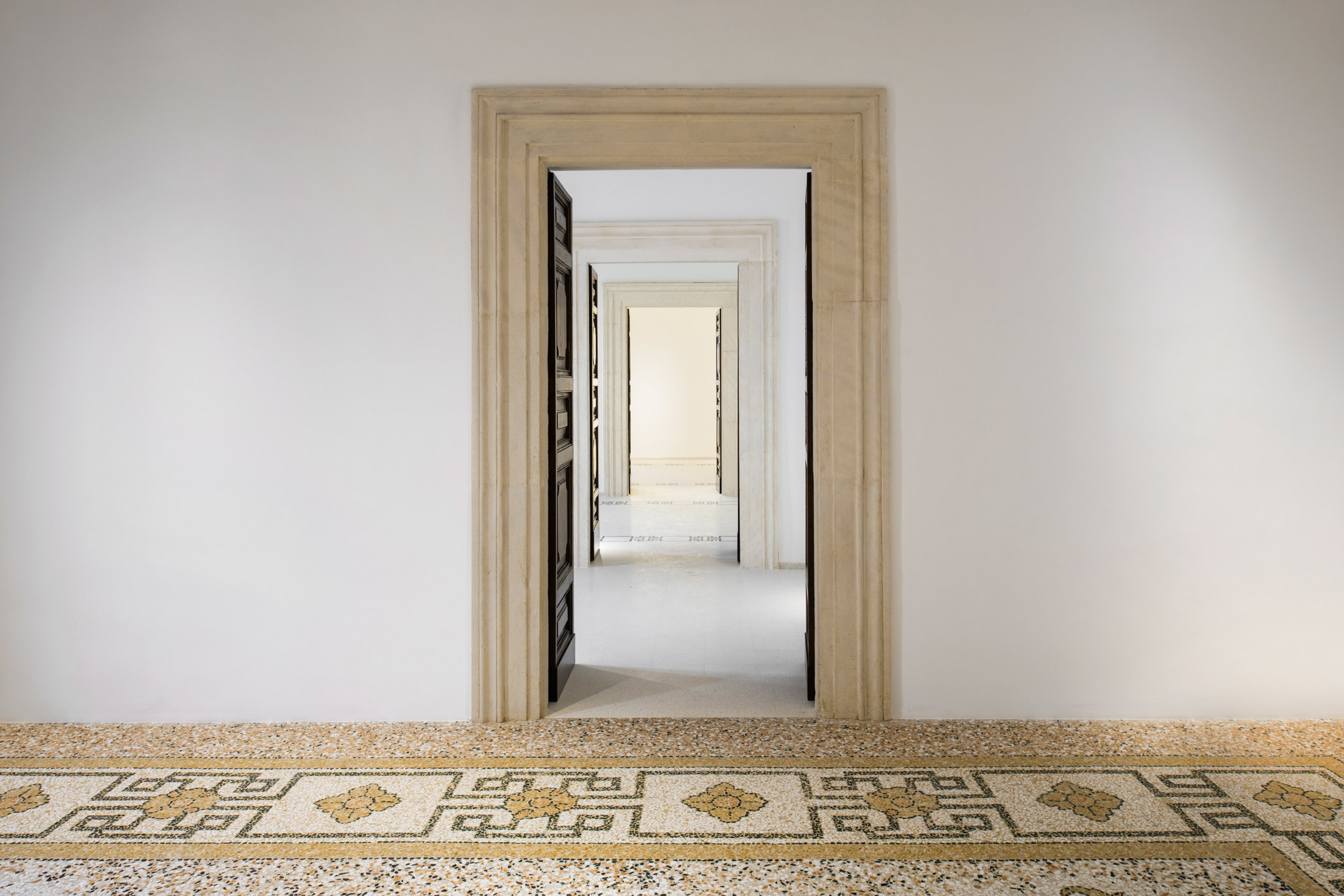
Just a short walk from the Fontana Luminosa and Corso Vittorio Emanuele, in the heart of L’Aquila’s historic city center, stands Palazzo Ardinghelli.

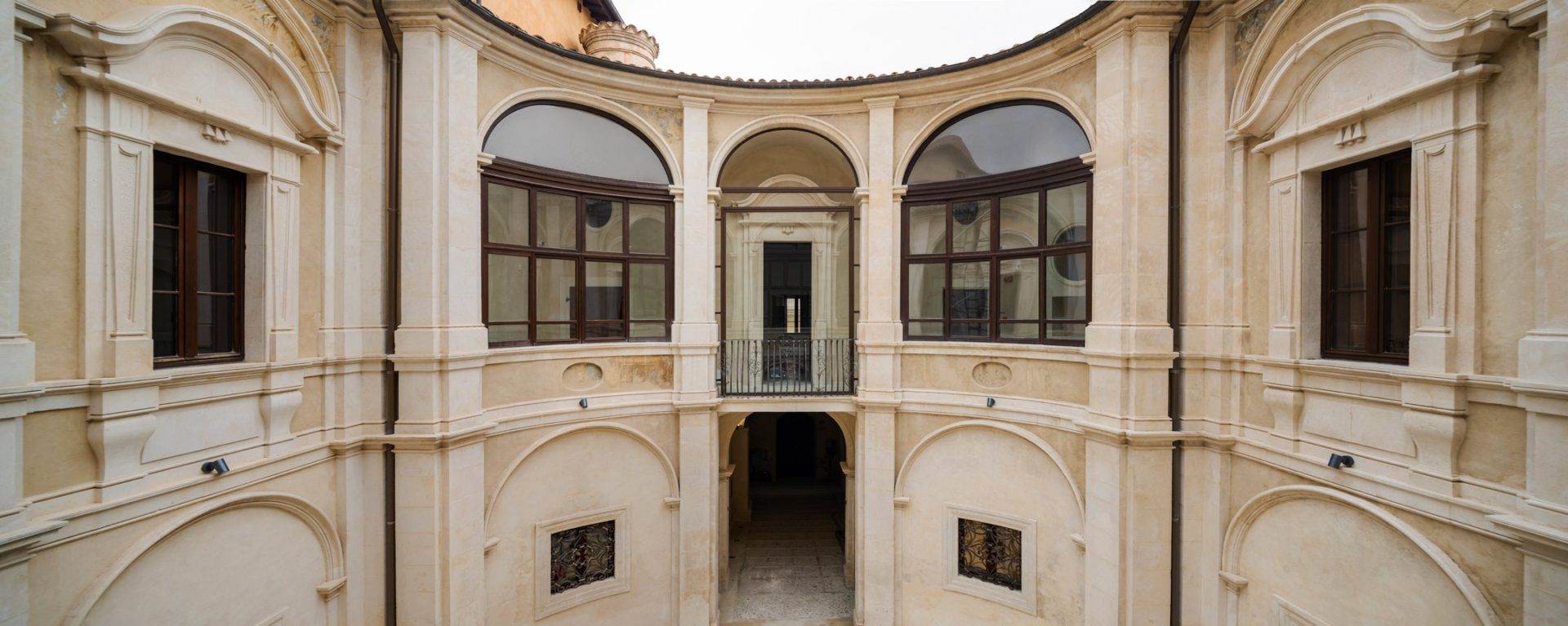
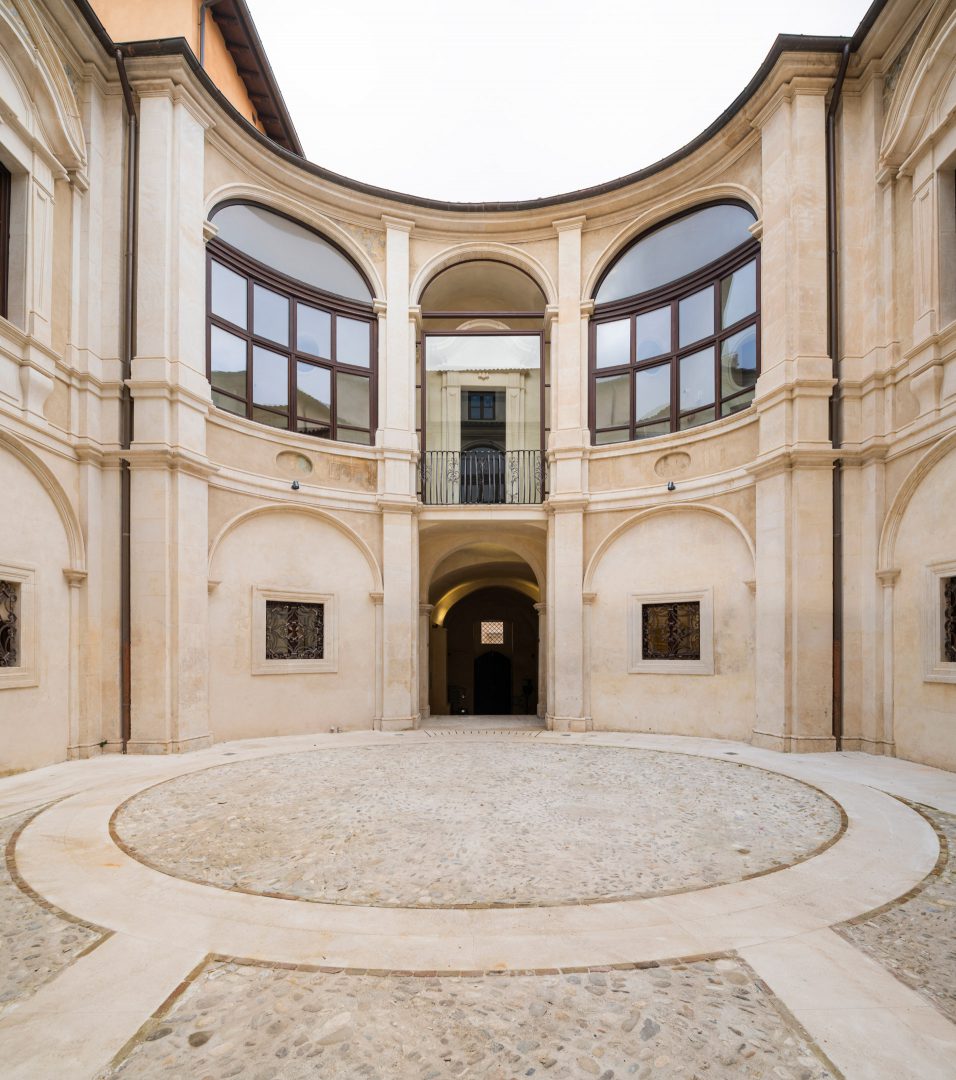
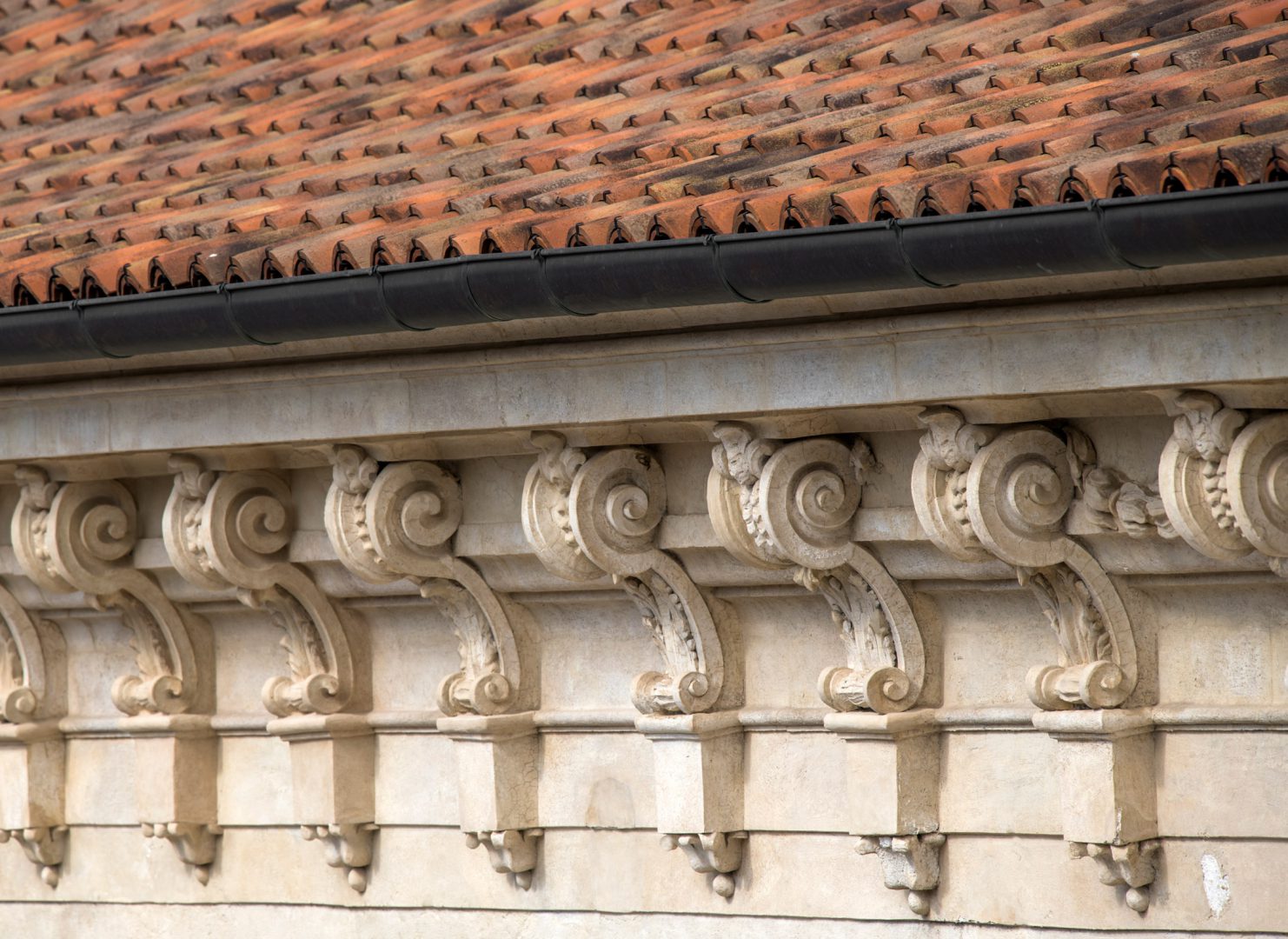
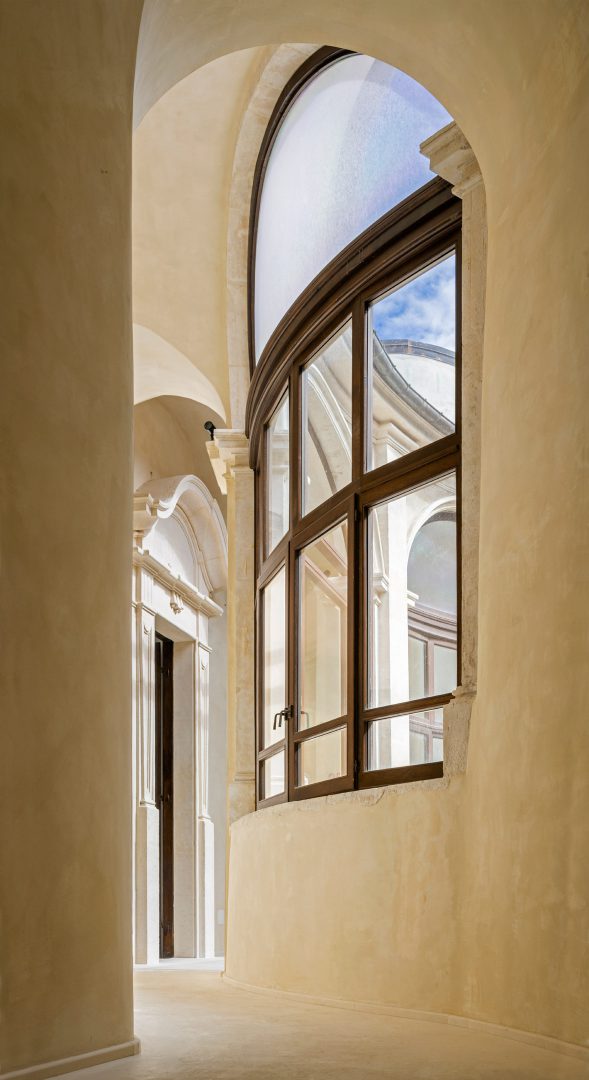
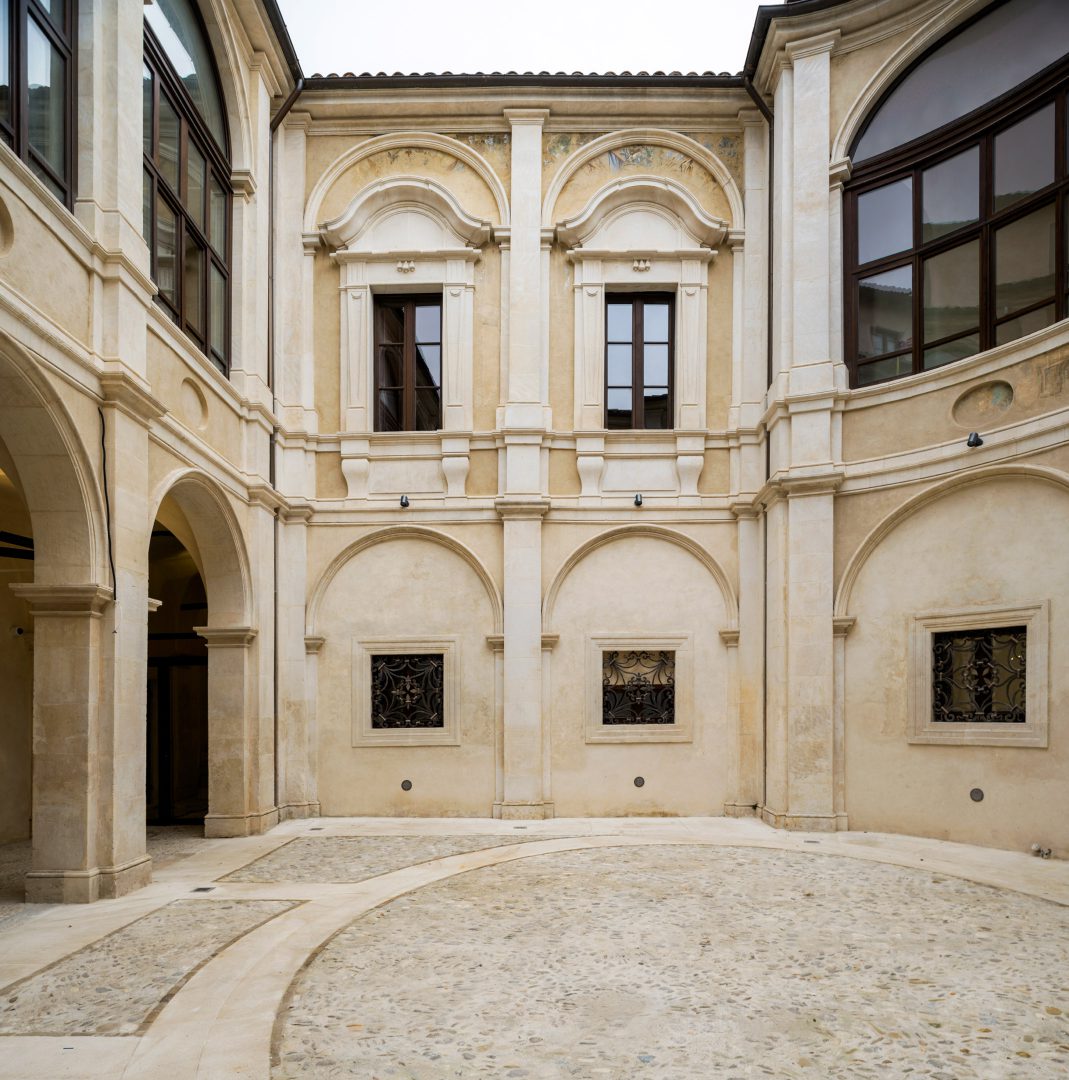
The building was designed between 1732 and 1743 by the Roman architect Francesco Fontana, son of the renowned Carlo Fontana. The defining architectural features—along with its facade—include the courtyard and its monumental Borromini-inspired staircase, decorated with frescoes painted in 1744 by Venetian artist Vincenzo Damini.

This internal courtyard connects Piazza Santa Maria Paganica and Via Giuseppe Garibaldi, transforming the museum into an open public space for the city—much like the urban plaza of MAXXI in Rome, welcoming both the neighborhood and the community.

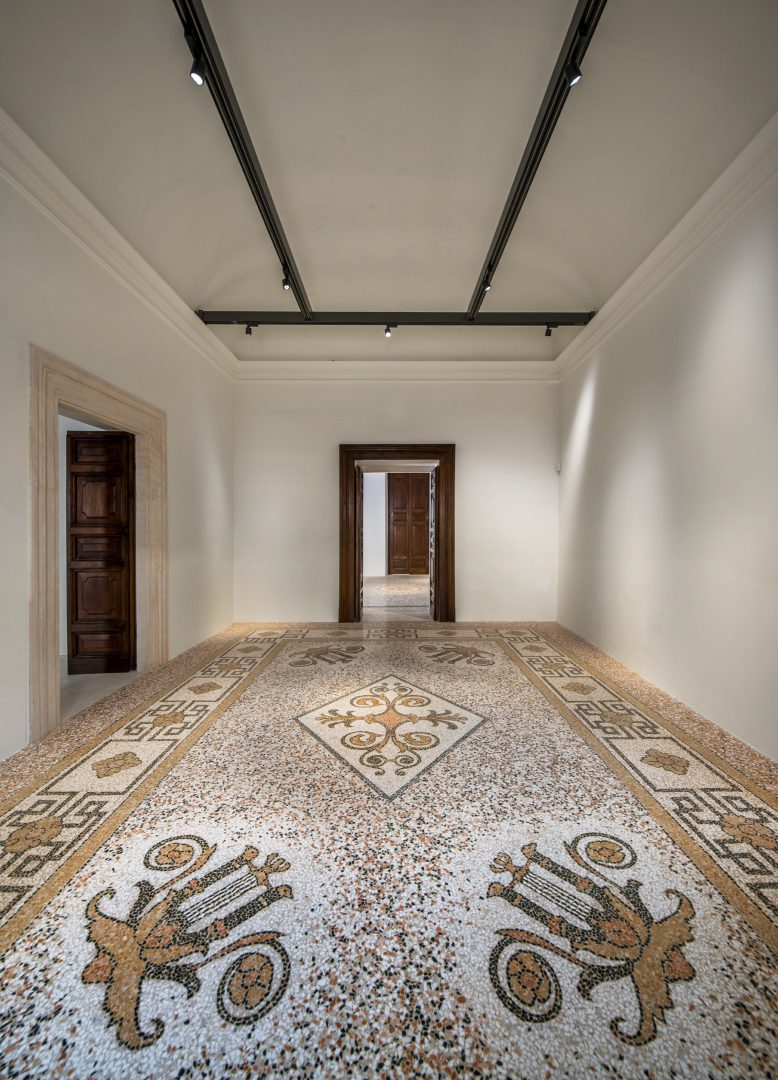
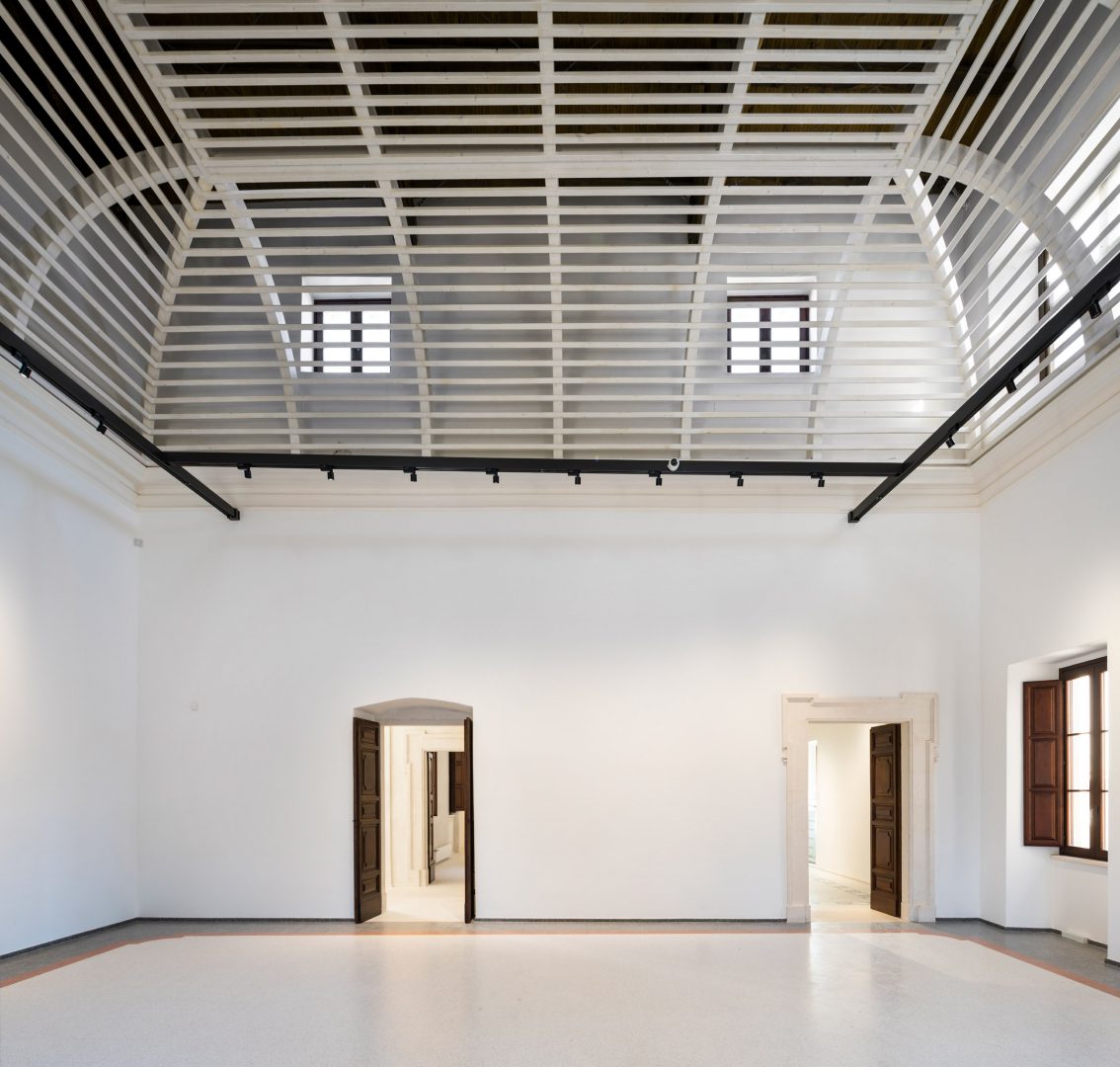
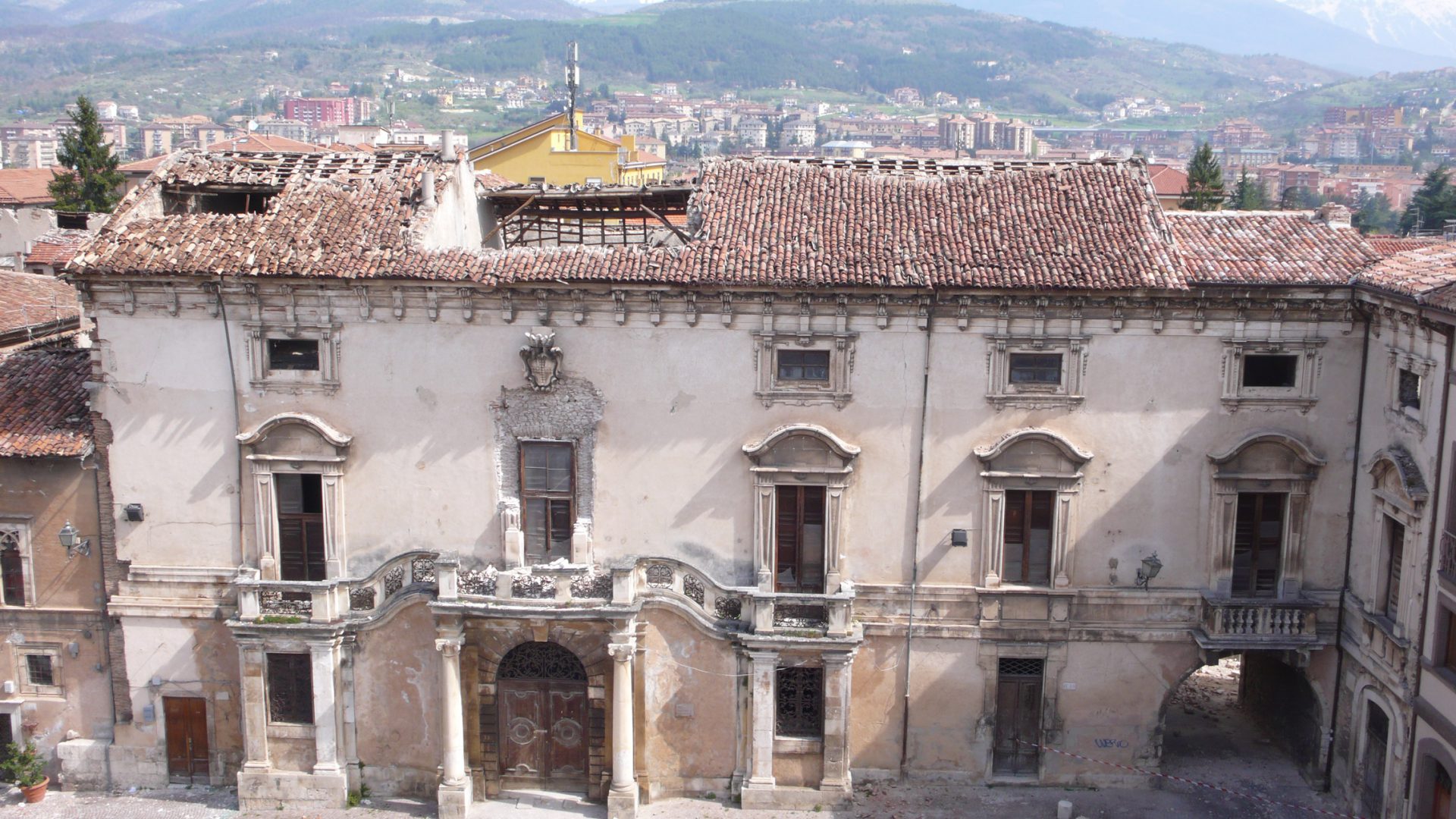
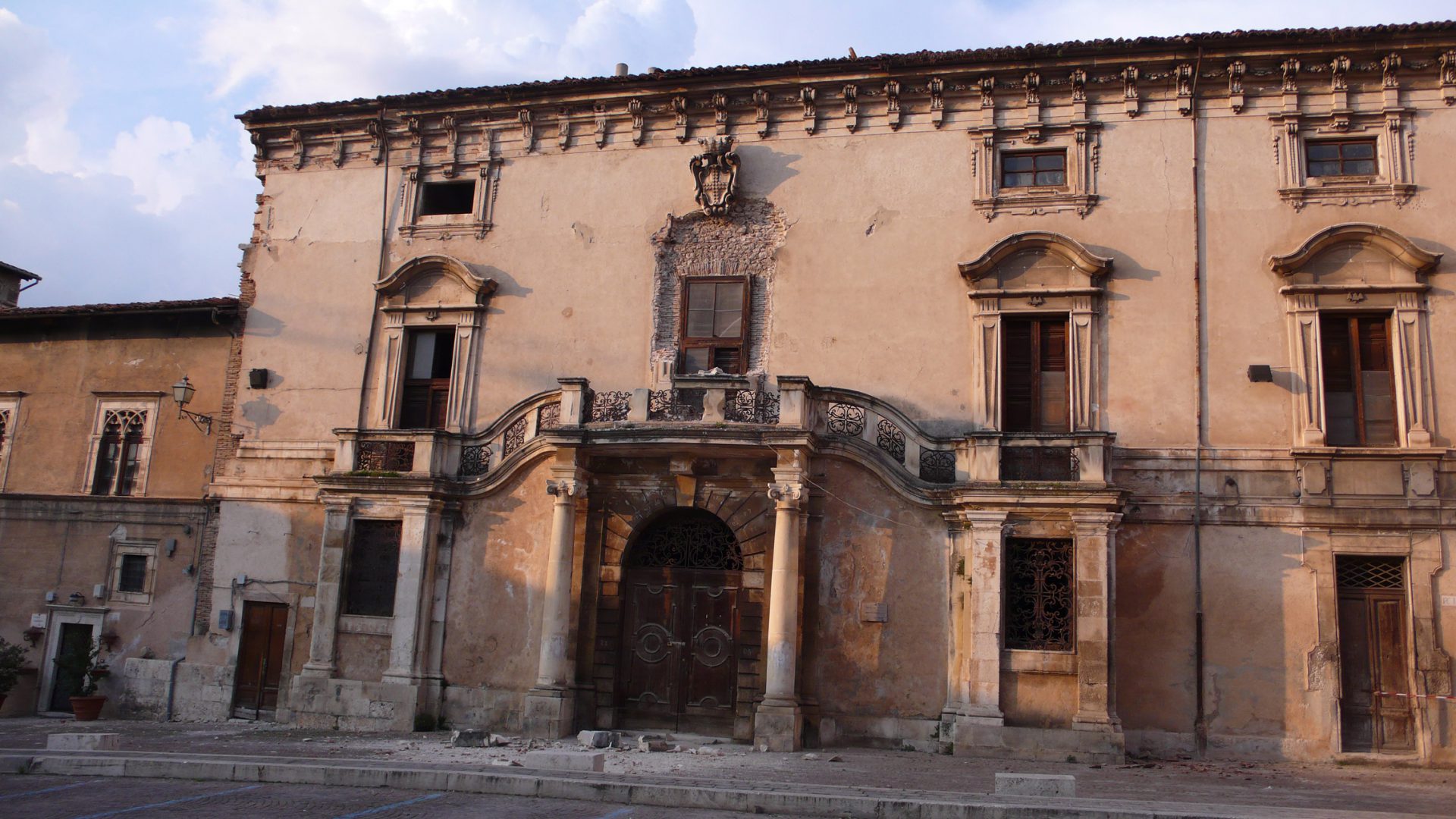
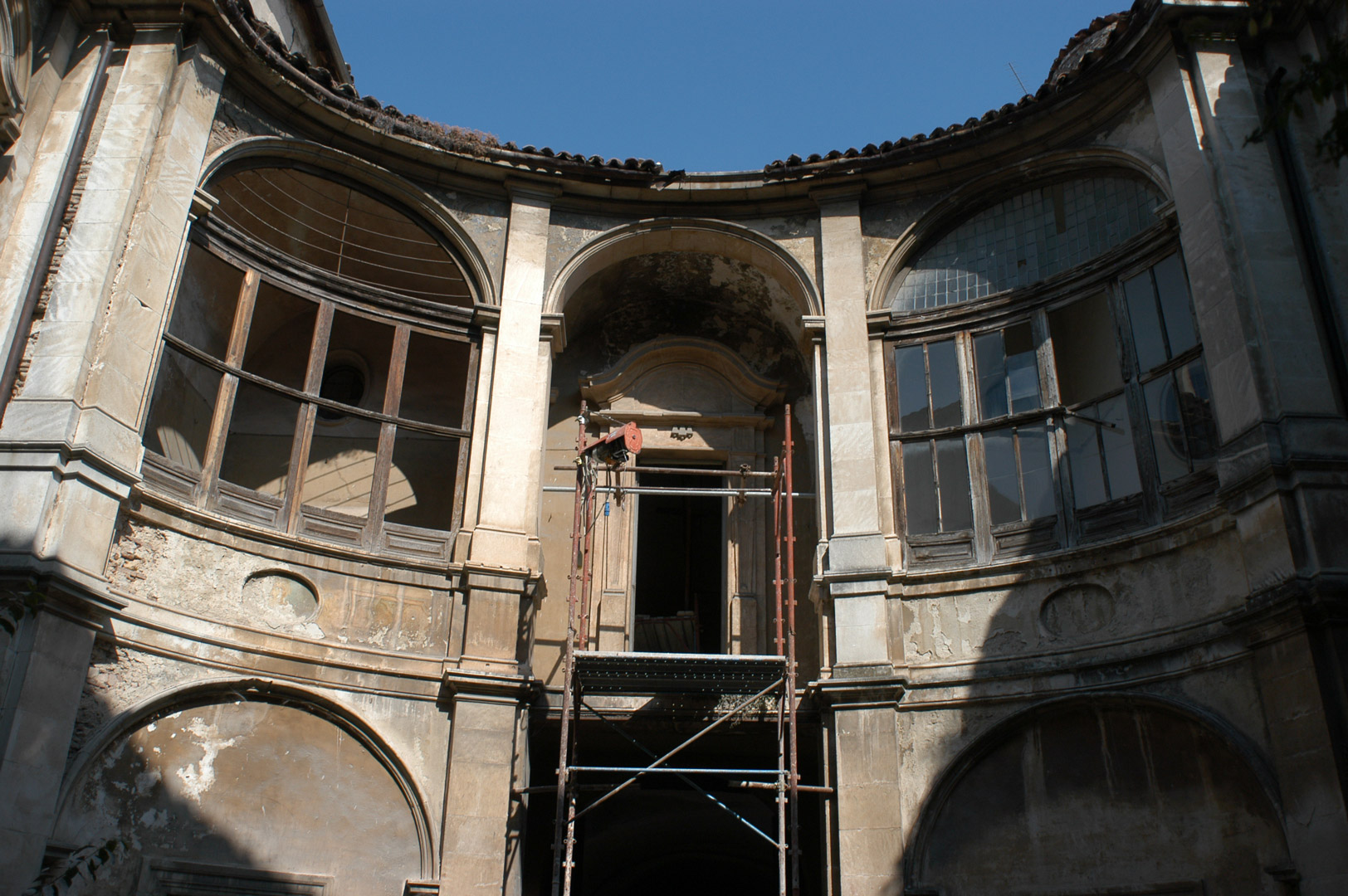
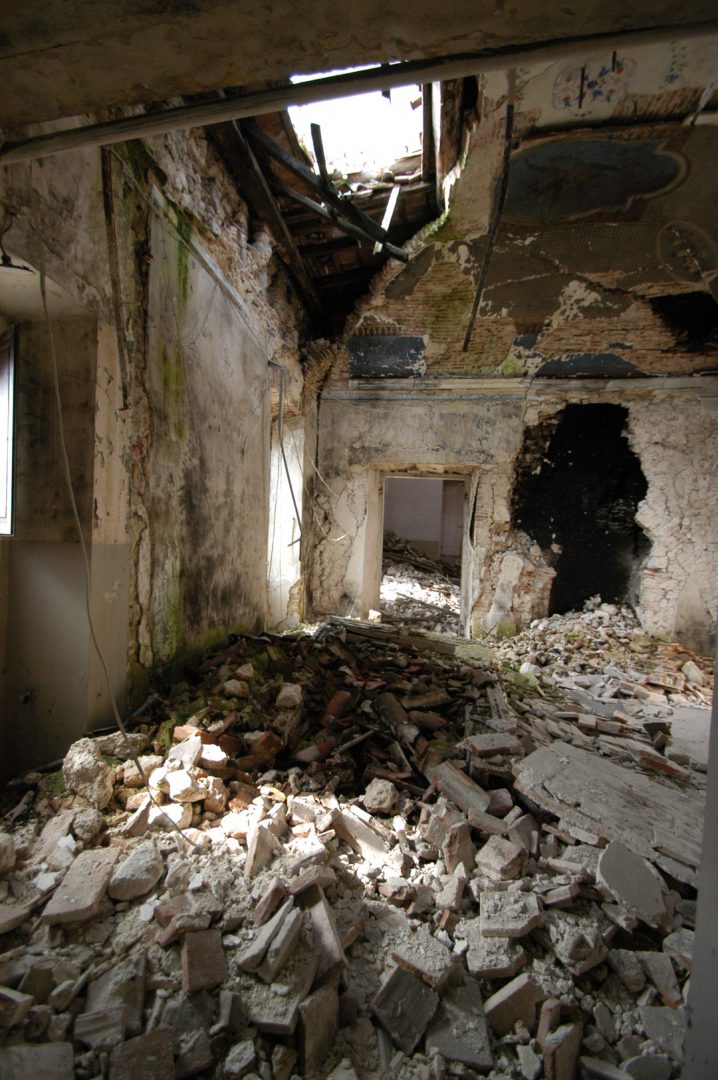
Severely damaged by the 2009 earthquake, this elegant palace underwent a meticulous and skillful structural consolidation, seismic upgrade, and historical restoration project led by MiBACT (Ministry of Cultural Heritage and Activities and Tourism), made possible through funding from the Russian government.

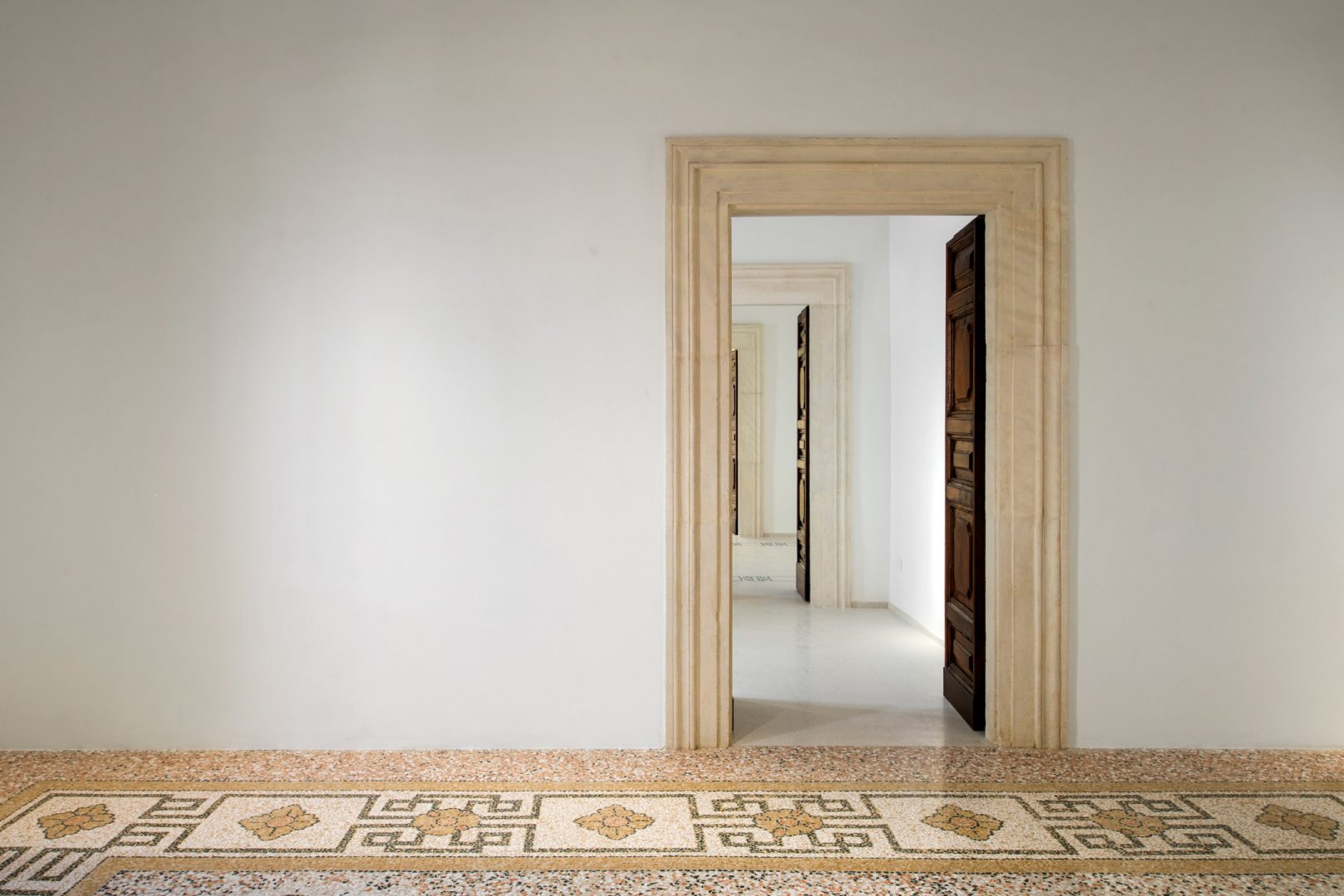
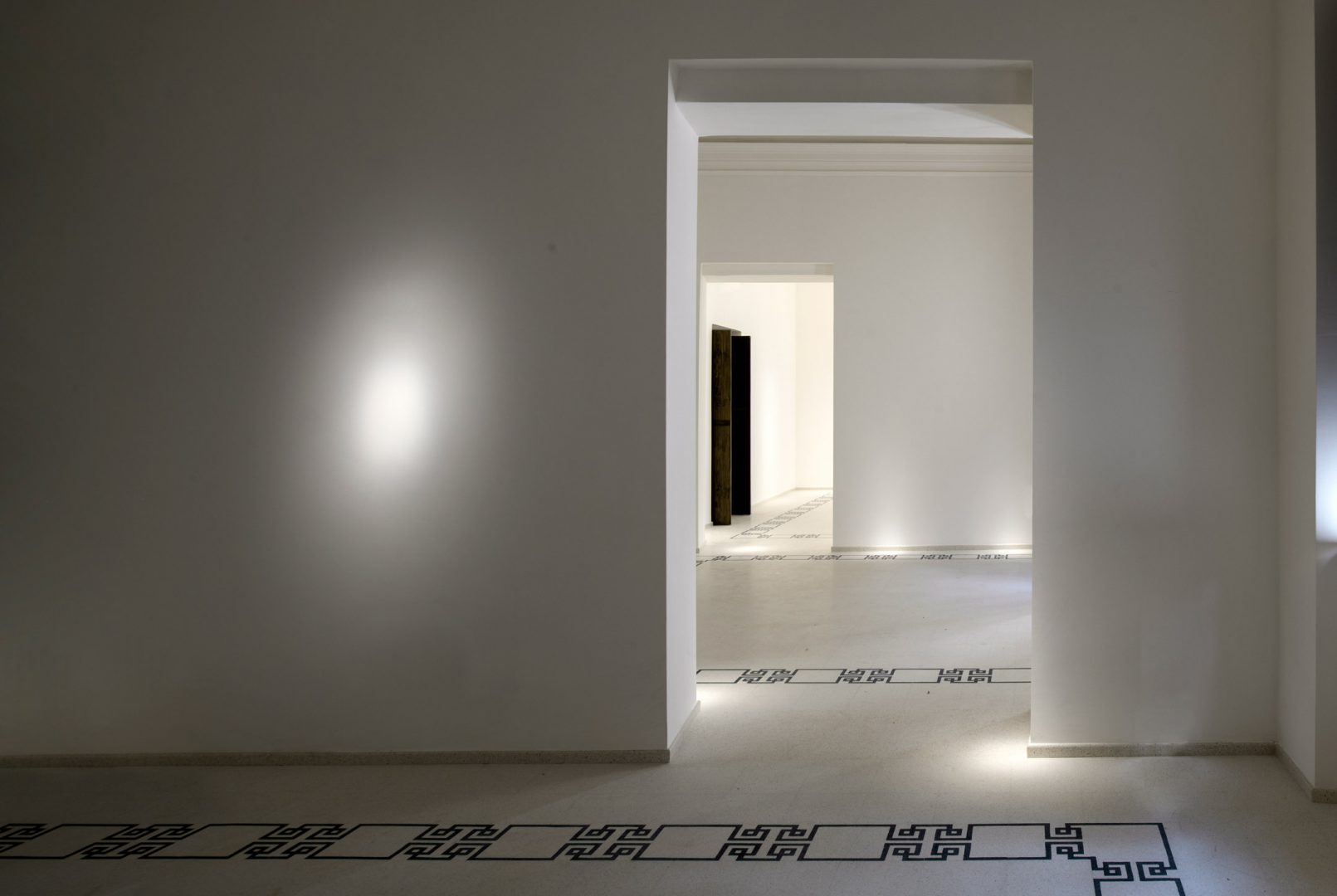
The museographical design and the adaptation of functional spaces—tailored for displaying works from the MAXXI Collection and hosting its cultural programming—were designed by an expert team of technicians from the MAXXI Foundation in agreement with MiBACT.
 

download the brochure

The Palace Today

1 / 21
2 / 21
3 / 21
4 / 21
5 / 21
6 / 21
7 / 21
8 / 21
9 / 21
10 / 21
11 / 21
12 / 21
13 / 21
14 / 21
15 / 21
16 / 21
17 / 21
18 / 21
19 / 21
20 / 21
21 / 21

The Palace After the Earthquake

1 / 10
2 / 10
3 / 10
4 / 10
5 / 10
6 / 10
7 / 10
8 / 10
9 / 10
10 / 10
Want to receive updates
on the museum's activities?
Subscribe to our newsletter

technical sponsor

soci

follow us on

© 2020 - 2026 Fondazione MAXXI

  • Lavora con noi
  • press
  • Privacy
  • Credits
  • Cookies
Gestisci Consenso Cookie
Per fornire le migliori esperienze, utilizziamo tecnologie come i cookie per memorizzare e/o accedere alle informazioni del dispositivo. Il consenso a queste tecnologie ci permetterà di elaborare dati come il comportamento di navigazione o ID unici su questo sito. Non acconsentire o ritirare il consenso può influire negativamente su alcune caratteristiche e funzioni.
Funzionale Always active
L'archiviazione tecnica o l'accesso sono strettamente necessari al fine legittimo di consentire l'uso di un servizio specifico esplicitamente richiesto dall'abbonato o dall'utente, o al solo scopo di effettuare la trasmissione di una comunicazione su una rete di comunicazione elettronica.
Preferenze
L'archiviazione tecnica o l'accesso sono necessari per lo scopo legittimo di memorizzare le preferenze che non sono richieste dall'abbonato o dall'utente.
Statistiche
L'archiviazione tecnica o l'accesso che viene utilizzato esclusivamente per scopi statistici. L'archiviazione tecnica o l'accesso che viene utilizzato esclusivamente per scopi statistici anonimi. Senza un mandato di comparizione, una conformità volontaria da parte del vostro Fornitore di Servizi Internet, o ulteriori registrazioni da parte di terzi, le informazioni memorizzate o recuperate per questo scopo da sole non possono di solito essere utilizzate per l'identificazione.
Marketing
L'archiviazione tecnica o l'accesso sono necessari per creare profili di utenti per inviare pubblicità, o per tracciare l'utente su un sito web o su diversi siti web per scopi di marketing simili.
  • Manage options
  • Manage services
  • Manage {vendor_count} vendors
  • Read more about these purposes
Preferenze
  • {title}
  • {title}
  • {title}